
Testing is a fundamental part of the UX designer’s job and a core part of the overall UX design process. Testing provides the inspiration, guidance and validation that product teams need in order to design great products. That’s why the most effective teams make testing a habit.
Usability testing involves observing users as they use a product. It helps you find where users struggle and what they like. There are two ways to run a usability test:
- Moderated, in which a moderator works with a test participant
- Unmoderated, in which the test participant completes the test User
- User testing is a fundamental part of the UX designer’s job and a core part of the overall UX design process. Testing provides the inspiration, guidance and validation that product teams need in order to design great products. That’s why the most effective teams make testing a habit.Usability testing involves observing users as they use a product. It helps you find where users struggle and what they like. There are two ways to run a usability test:
- Moderated, in which a moderator works with a test participant
- Unmoderated, in which the test participant completes the test alone
We’ll focus on the first, but some of the tips mentioned can be applied to both types of testing.
1. Test As Early As Possible
The earlier you test, the easier it is to make changes and, thus, the greater impact the testing will have on the quality of the product. A lot of design teams use the excuse, “The product isn’t done yet. We’ll test it later,” to postpone testing. Of course, we all want our work to be perfect, which is why we try to avoid showing a half-baked design. But if you work too long without a feedback loop, the chances are higher that you’ll need to make a significant change after releasing the product to the market. It’s the classic mistake: thinking you’re the user and designing for yourself. If you can invest energy to learn early and prevent problems from happening in the first place, you will save a tremendous amount of time later for usability testing.
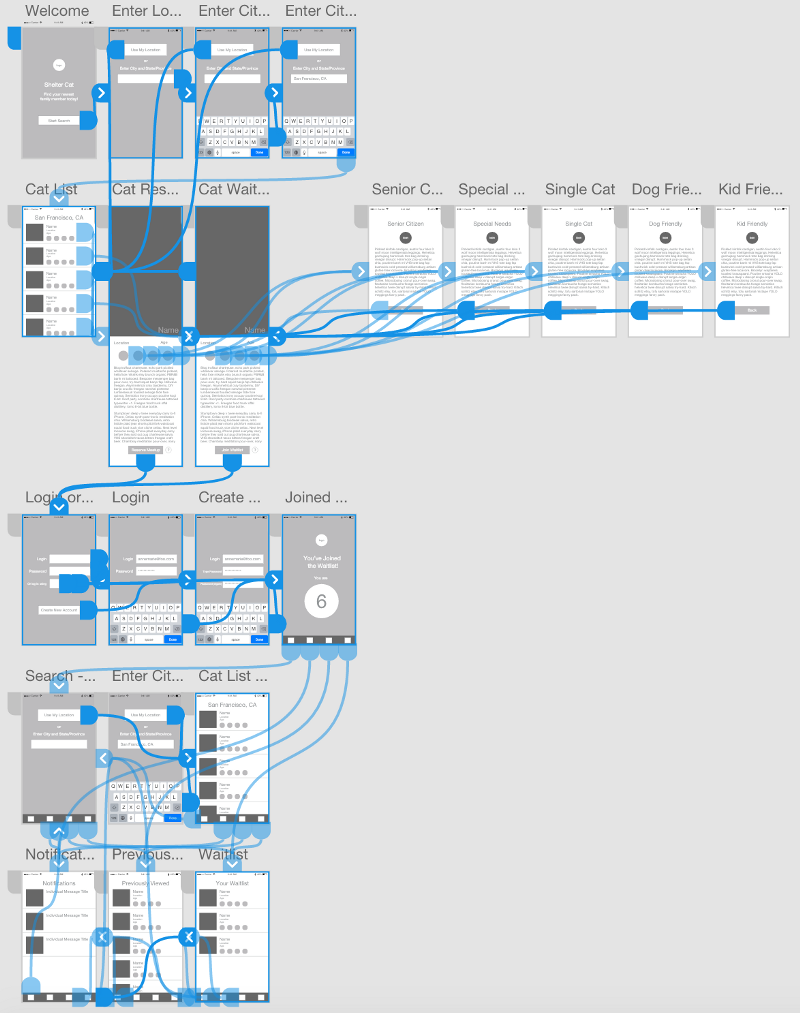
The good news is that you don’t need to wait for a high-fidelity prototype or fully formed product to start testing. In fact, you should start testing ideas as soon as possible. You can test design mockups and low-fidelity prototypes. You’ll need to set the context for the test and explain to test participants what’s required of them.
2. Outline Your Objectives
Before starting usability testing, be crystal clear on your goals. Think of the reason you want to test the product. What are you trying to learn? Ask yourself, “What do I need to know from this session?” Then, once you understand that, identify exactly which features and areas you want feedback on.
Here are a few common objectives:
- Find out whether users are able to complete specified tasks successfully (e.g. purchase a product, find information)
- Identify how long it takes to complete specific tasks
- Find out whether users are satisfied with a product and identify changes required to improve satisfaction

No comments:
Post a Comment